
Solder Paste Inspection (SPI)
SPI evaluates solder paste deposits before components are placed on the PCB. Thus, issues such as insufficient or excessive paste, incorrect positioning and inconsistent deposit volume could be identified.
Identify assembly defects before your PCB assemblies reach the next production stage or the finished product. SMTPlus provides inspection and testing services tailored to your design, quality requirements and intended application, helping you improve product consistency and reduce manufacturing risks.
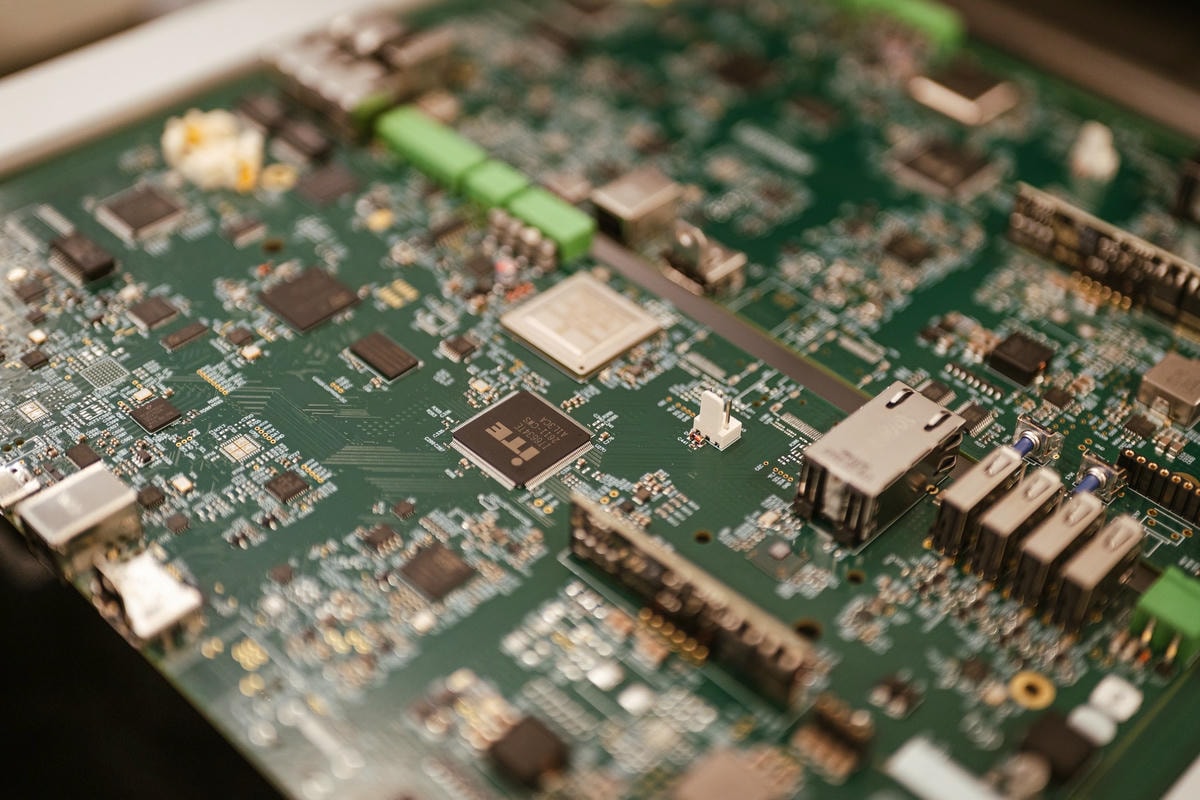
PCB inspection and functional testing serve two different but complementary purposes. Inspection examines the quality of the assembly, including component placement, solder joints and potential manufacturing defects. Meanwhile, functional testing verifies whether the assembled printed circuit board performs according to its intended operation and defined requirements.
SMTPlus integrates both inspection and testing into the PCB assembly process to support quality control at appropriate manufacturing stages. By identifying potential issues early, manufacturers can reduce unnecessary rework and improve confidence in their electronic assemblies before they proceed to subsequent production stages.
Take into account that no single testing method is suitable for every electronic assembly. The appropriate strategy highly depends on PCB design, component density, production volume, application requirements and the level of quality assurance needed.
SPI evaluates solder paste deposits before components are placed on the PCB. Thus, issues such as insufficient or excessive paste, incorrect positioning and inconsistent deposit volume could be identified.
AOI uses cameras and image-processing software to examine assembled PCBs for visible defects. Depending on the equipment and inspection stage, it can identify component misalignment, missing or incorrectly oriented components and visible soldering issues.
X-ray inspection makes it possible to examine solder joints and structures that are not fully visible from the surface. It is particularly useful for certain hidden connections where conventional optical inspection has limitations.
In-circuit testing (ICT) checks electrical characteristics at accessible test points to identify issues such as shorts, opens and incorrect component values. Flying probe testing uses movable probes, making it suitable for prototypes, low-volume production and designs that require flexible test access.
Functional circuit testing evaluates whether a completed PCBA operates as intended under defined test conditions. Depending on the product, this may involve applying power and input signals, checking outputs, and verifying communication interfaces.
Our approach focuses on aligning inspection and testing with the product's technical requirements and manufacturing objectives.
We review the PCB design, intended application, relevant specifications and quality expectations to understand what the assembly must achieve.
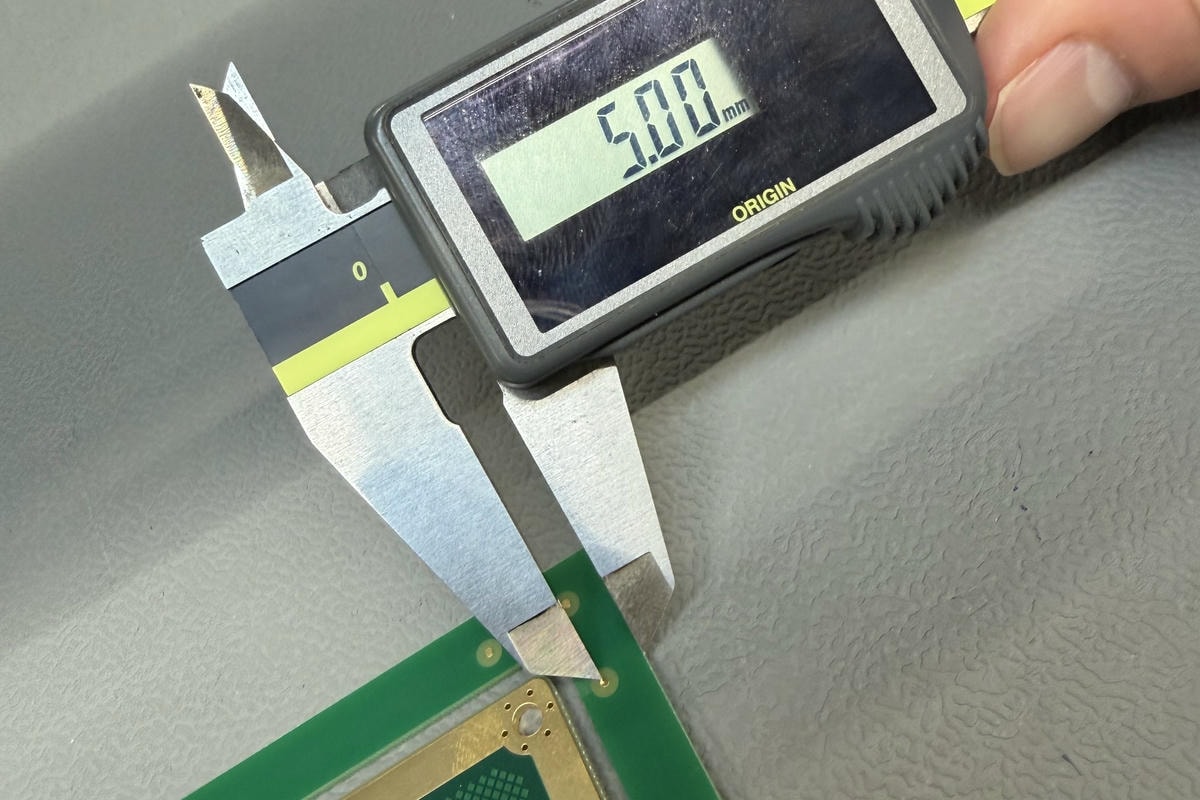
Based on the available information, we identify suitable inspection stages and testing methods, taking into account production volume, design complexity and test accessibility.
The assembly is examined at appropriate stages to identify potential component placement, solder paste and solder joint defects before they progress further through production.
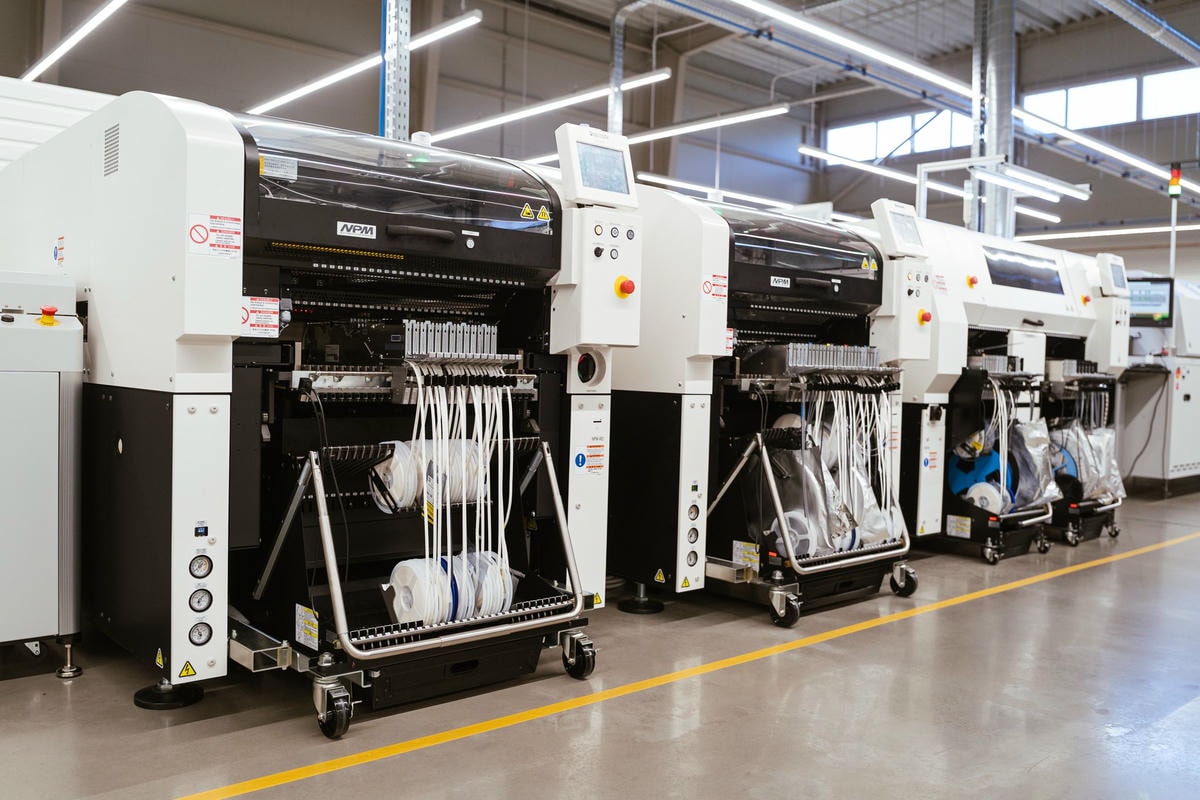
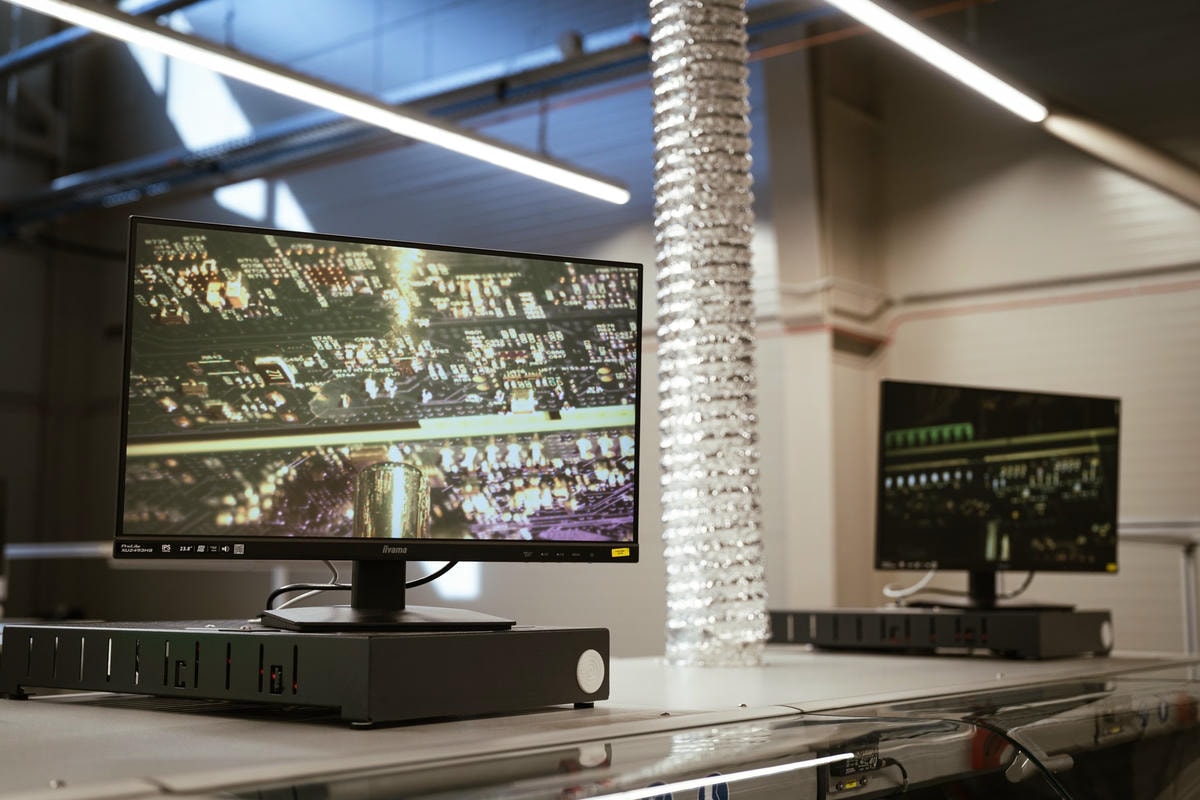
Where agreed and technically feasible, electrical checks and functional tests verify connectivity and confirm that the assembled PCB performs according to its defined requirements.
Test results and relevant inspection findings are reviewed and documented according to the agreed quality requirements. This supports traceability and provides a clearer overview of assembly quality.
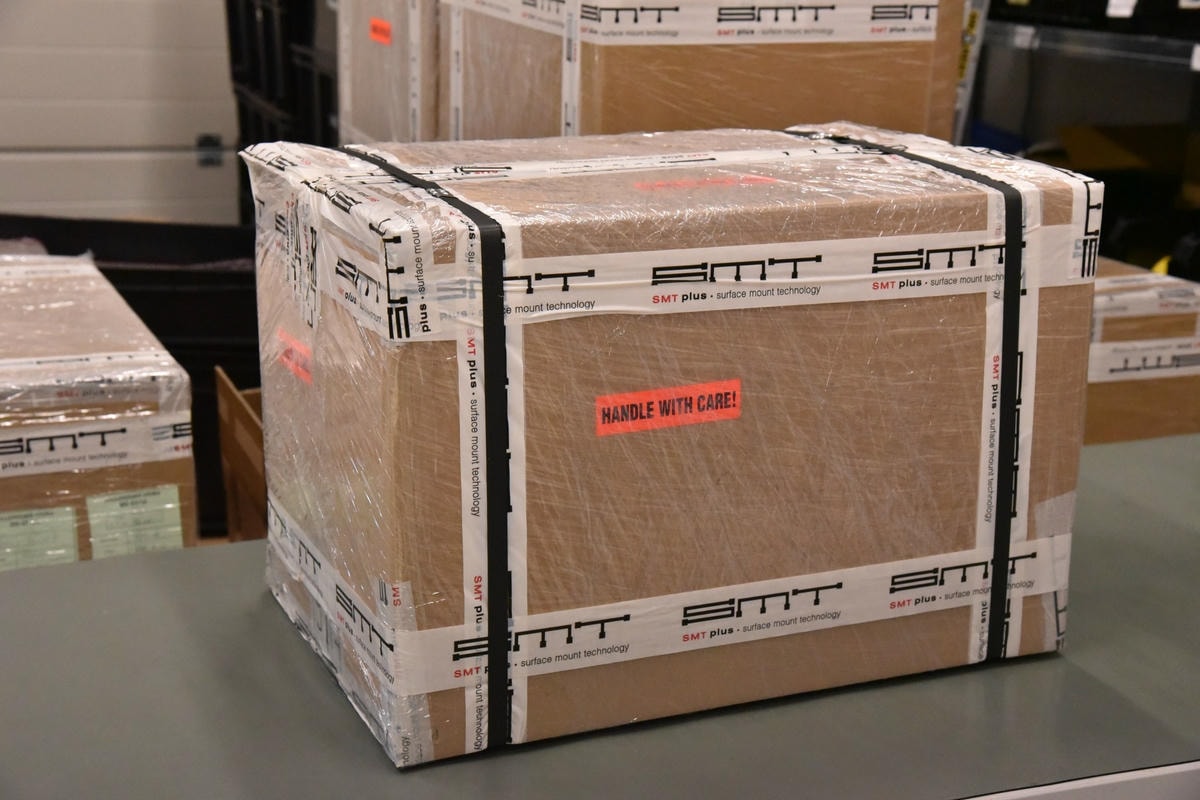
PCB functional testing and inspection are most effective when they are a part of the manufacturing process. Through examining solder paste deposits, component placement and solder joints at suitable stages we can detect defects before additional components, assembly steps or costs are added.
Electrical checks reveal connection problems, while functional testing evaluates the performance of the completed assembly against defined criteria. Integrating these checks into PCBA production supports earlier defect detection and more consistent quality control.
However, the specific inspection points and testing scope should reflect the product's design, risk profile and manufacturing requirements. This ensures that quality control focuses on the areas most relevant to the assembly.
SMTPlus supports PCB assembly projects with an approach that connects manufacturing requirements, inspection and testing planning. By considering these activities together, we help customers identify an appropriate quality control strategy for their products. Our approach focuses on:
To coordinate PCB assembly with agreed inspection and testing activities.
To select methods based on the design, production requirements and intended use.
To clarify test objectives, limitations and practical requirements before production.
To consider the different testing needs of initial builds and recurring manufacturing.
to agree on appropriate records and traceability requirements for the project.
When you choose SMTplus Kft for PCB Functional Testing & Inspection, you gain a manufacturing partner focused on both the technical requirements of your products and the practical realities of long-term production.
Whether you need inspection for a prototype build or a repeatable test process for recurring production, SMTPlus can help define the appropriate approach for your PCB assembly. Share your design and test requirements for an initial review.
Find answers to frequently asked question or contact our team for personalized assistance.